
Australia is home to some of the worlds most venomous snakes and spiders, making it a serious concern for everyone, especially as spring approaches. Spring is the beginning of snake and spider bite season - as the weather warms up, snake breeding activity can make them more active and aggressive. And as we all start heading outdoors to enjoy the warm weather recreation, it's a recipe for an increase in Snake and Spider bites.
Snake bite incidents are relatively common, with around 3,000 reported cases annually here in Australia. However, fatalities are rare, averaging about 2-4 deaths per year over recent decades.

Sydney funnel-web spider, Mouse spider, Brown snake, and Taipan, among others, all of which possess potent venoms that can lead to serious health complications if not treated promptly and correctly. It's important to note that while the risk of death is low, bites from venomous snakes and spiders can still lead to significant health complications if not treated promptly.
How can I be prepared for Snake and Spider bites?
The first step as is with any first aid injury or accidents is PREVENTION. You can take many steps to avoid being bitten when you head outdoors.
Regardless of the season, taking precautions such as:
- Wearing appropriate clothing
- Using gloves when gardening
- Being cautious in areas where snakes and spiders are likely to be present
- Having a basic understanding of first aid for bites and carrying an appropriate first aid kit (more on this below!)
These can help reduce the risk for Snake and Spider bites.

First aid for Snake, Funnel web and Mouse spider bites
As always with any and all first aid emergencies, you start with DRSABCD. We have a quick blog over here about what DRSABCD is and how to do it. Following this, do the following first aid for Snake bites:
-
Immobilise: Keep the affected limb as still as possible. Restrict movement to prevent the venom from spreading quickly.
-
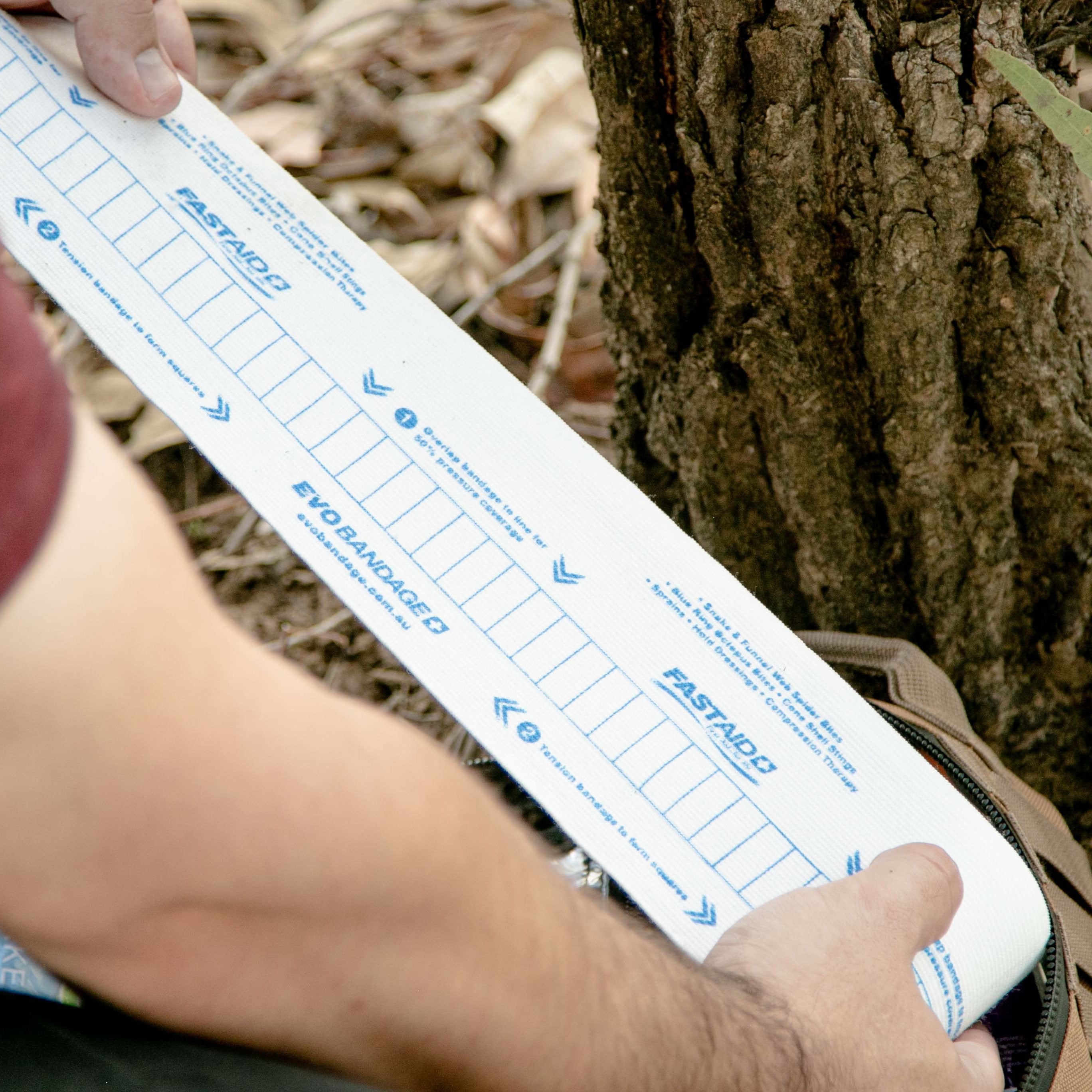
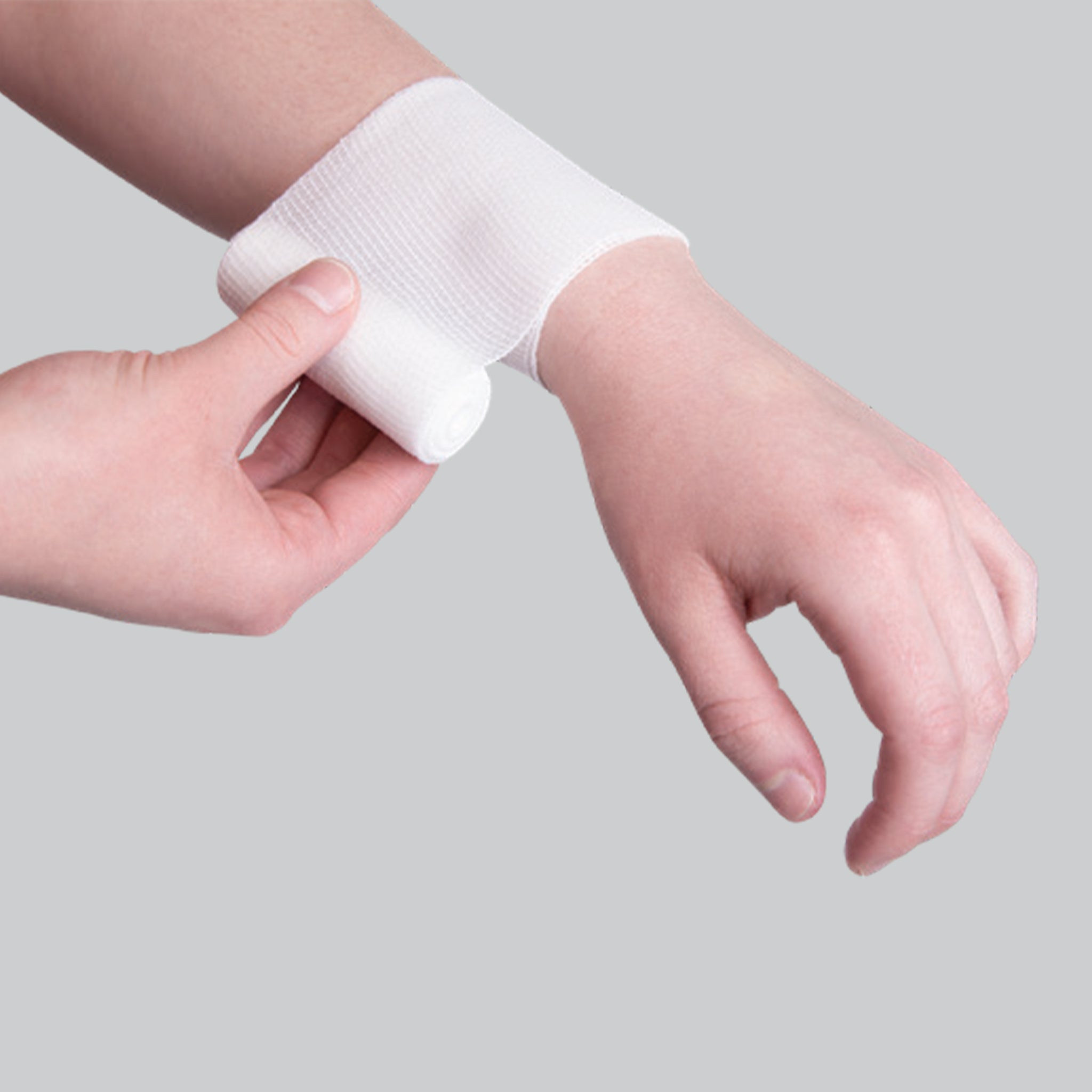
Pressure Immobilisation Technique: This involves applying a firm pressure bandage, such as our Evo-Bandage, along the entire length of the bitten limb. Use a bandage or cloth, and wrap it firmly but not too tight, starting from the bite site and working your way up the limb.
-
Splinting: Immobilise the limb with a splint or makeshift support to further minimise movement.
-
Stay Calm: Panic accelerates heart rate and can lead to faster venom circulation. Stay calm and avoid using a tourniquet, cutting the bite, or attempting to suck out the venom. (see more important notes below!)
First aid for Red-back Spiders
- Ice: Apply wrapped ice pack to the bitten area to reduce pain.
- Raise: Raise limb to limit swelling.
First aid for Other Spiders
- Wash: Wash with water and soap.
- Ice: Apply wrapped ice pack to relieve pain or discomfort.
- Advice: Seek medical advice.
Important Notes:
- Do Not: Do not attempt to cut the wound, suck out venom, or use a tourniquet. These methods can worsen the situation.
- Identification: If possible, try to remember the colour, size, and markings of the snake or spider. This can help medical professionals determine the appropriate treatment.
- First Aid Training: Having basic first aid training, including knowledge of the pressure immobilisation technique, can be invaluable in emergency situations.
Appropriate First Aid Kits

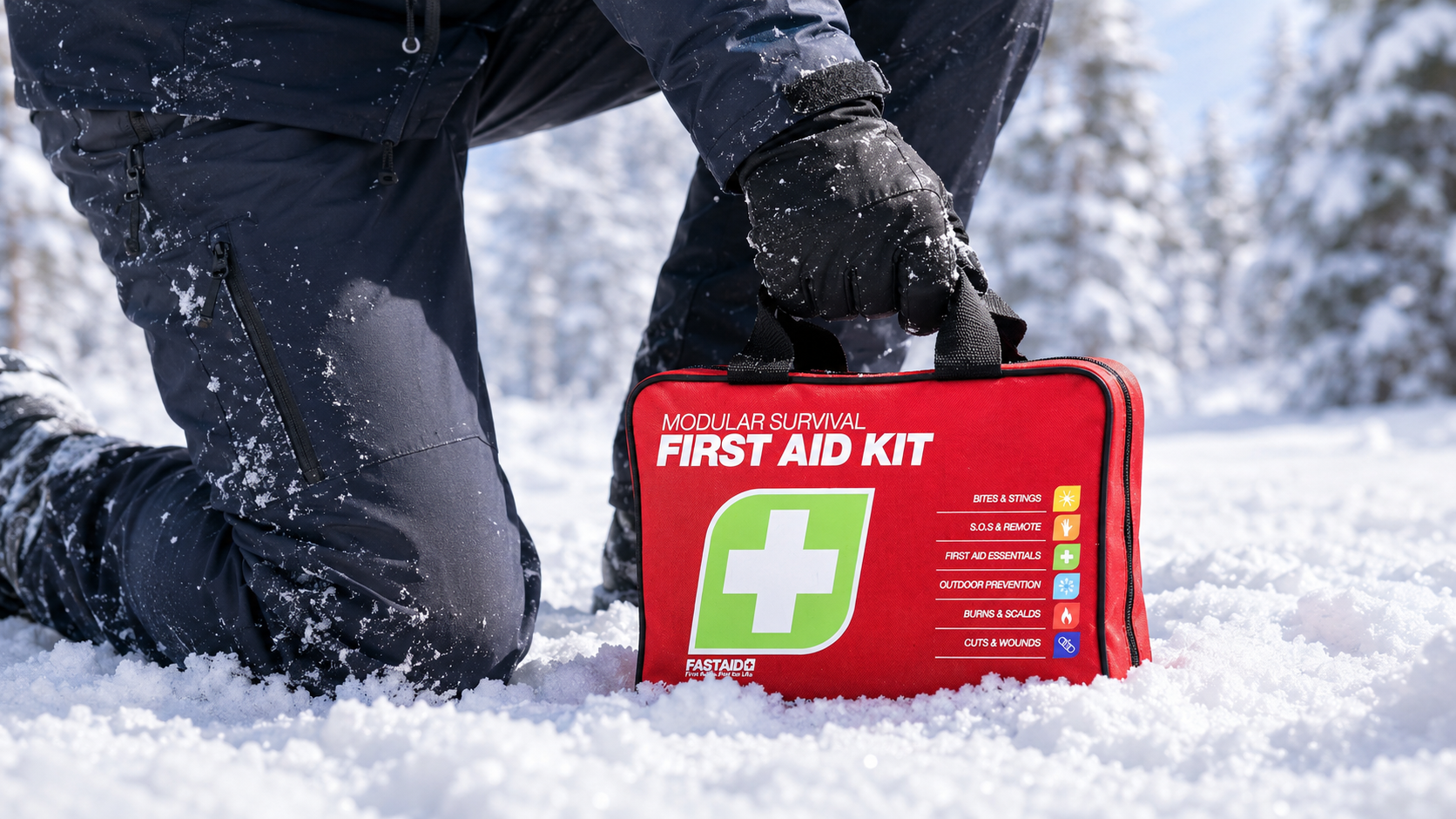
In all effective snake and spider bite treatment, it comes back to having the right first aid kit on hand for immediate treatment. We've got the perfect compact kit, the Limited Edition Premium Snake Bite Kit, containing everything you need to effectively treat snake and spider bites including our unique Evo-Bandage premium latex free snake bite compression bandages with indicators. The Evo-Bandage ensures fast, easy, and correct application of compression to the bite victim which aims to restrict the flow of venom throughout the body.

Complete with a full colour Snake and Spider Identification Sheet and easy to follow Symptoms and Treatment Guide to ensure correct treatment depending on the source of the bite. Also includes items such as a foam-padded splint, shears, permanent marker, CPR mask and whistle for attracting attention.
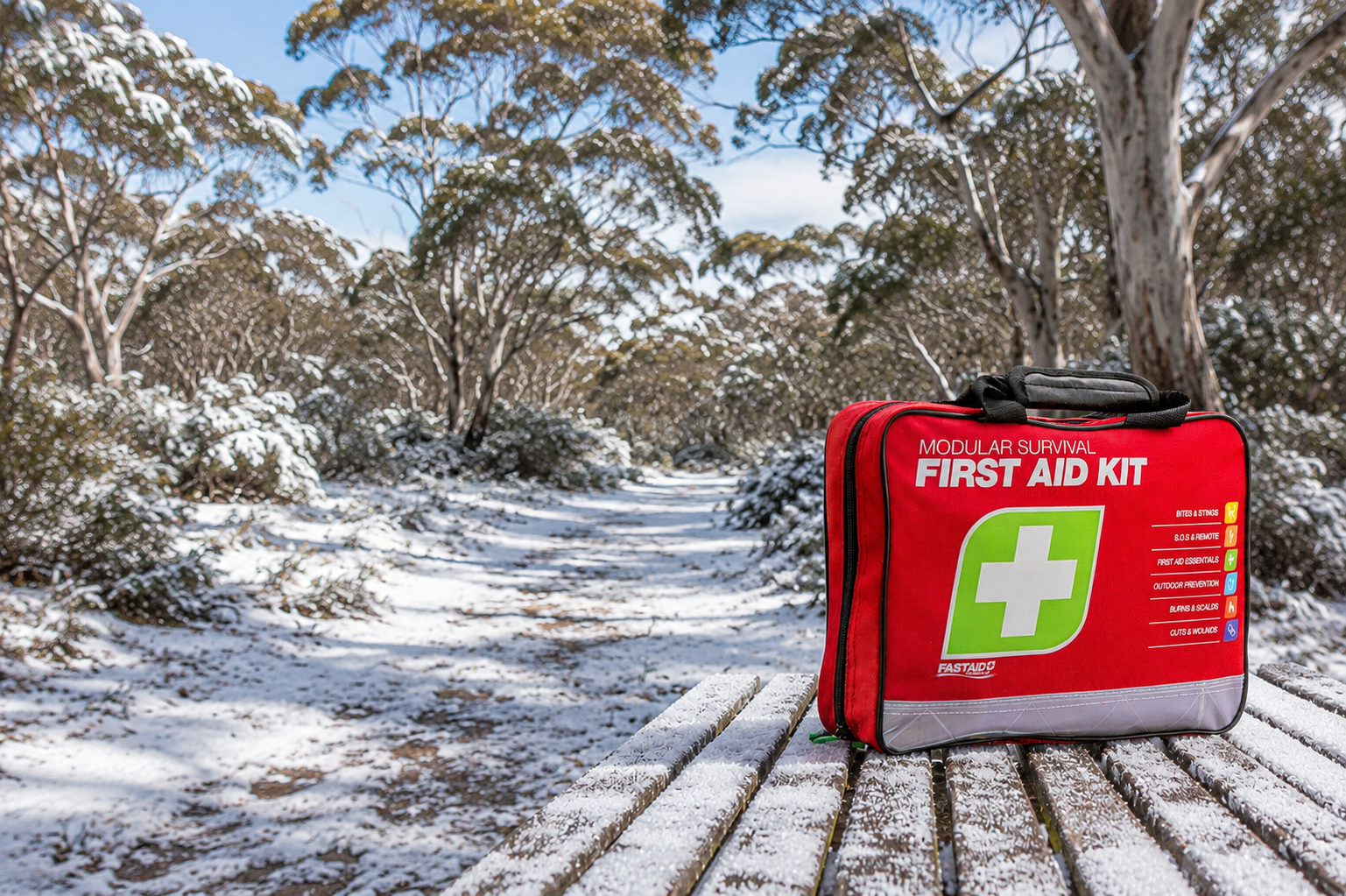
Some other options for Snake and Spider Bite kits include the Snake and Spider Bite first aid kit, or the Outdoor module which is a great add on to other first aid kits.
Questions about our first aid kits or snake and spider bite treatment? We're here to help!
Share:
First Aid for remote areas. Get prepared.
Your journey to workplace first aid compliance [Flowchart]