
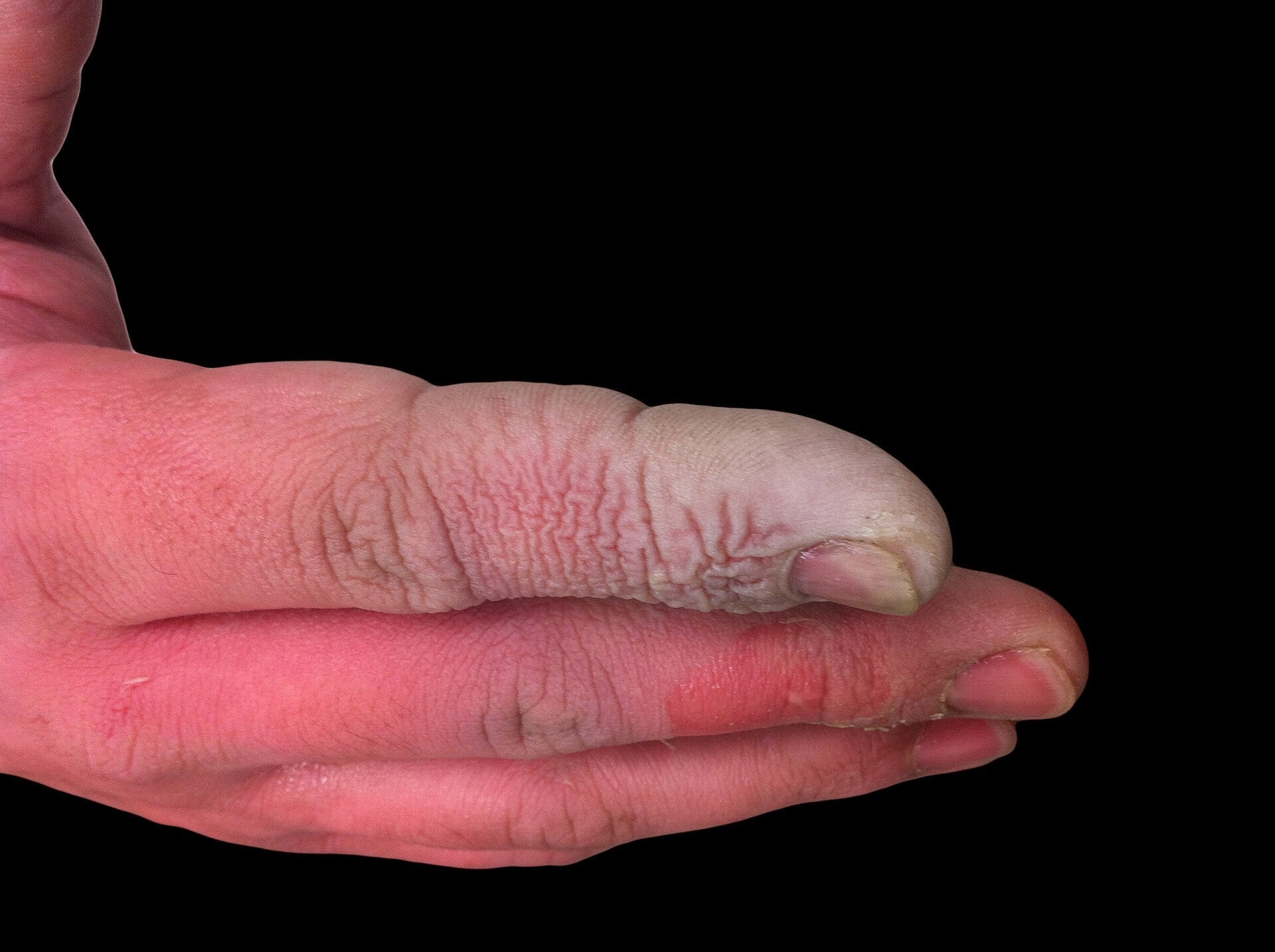
We often get enquiries for a treatment to hydrofloric acid burns. Calcium Gluconate Gel is the answer!
What is Calcium Gluconate Gel?
Calcium Gluconate Gel is used in first aid response to hydrofluoric acid (HF) exposure or contact to the body. Calcium gluconate combines with hydrofluoric acid to neutralize the powerful fluoride ion.
Indication
Calcium gluconate gel is indicated as an integral part in responding to Hydrofluoric Acid exposure to the body, mitigating or preventing the related pain and potential tissue burns and bone damage.

Usage
If hydrofluoric acid contacts the body, it is highly recommended to wash/flush the area with cool water for at least 5 minutes to remove HF surface residue (15 to 20 minutes if Gel is not available). Apply Calcium Gluconate Gel freely to the affected areas and continuously massage into the skin. Seek medical attention. Reapply Gel and massage into the affected area every 15 minutes until medical assistance is given.
If the acid has penetrated below the nails, Calcium Gluconate Gel should be liberally applied over and around the nail area, and the area should be continually massaged for 15 minutes.
Avoid secondary HF exposure or transfer by following standard HF safety measures, including:
- If possible, the victim should wash area and apply the gel themselves.
- If assistance is required, the person assisting should wear appropriate HF-protective gloves (neoprene) and other safety equipment.
- Safely discard tube and any unused gel after use.
All HF burns or exposure should be referred to a hospital after washing and starting initial first-aid procedures with Calcium Gluconate Gel.
"Calcium gluconate is the preferred treatment of choice for minor HF exposure for the following reasons:
- It is easy to use.
- It can be self-administered or applied by personnel trained in first aid care.
- It can be applied immediately as soon as the burn is suspected.
- It is painless to apply.
- It produces no risk of increasing tension in the tissues…
- …It reduces the risk of hypocalcemia.
- No sophisticated equipment is necessary."
Have more questions? We're here to help!
*Image provided by By Dr. Watchorn - Dr. Watchorn, CC BY-SA 3.0, https://commons.wikimedia.org/w/index.php?curid=24319084

Share:
How to treat eye injuries