

A hypo can turn a normal day into an emergency in minutes, but the first aid is simple: give sugar fast, then call for help if it isn’t working. World Diabetes Day is on Saturday 14 November, so it’s a good time to learn the signs. Here’s what to look for and what to do, at home or at work.
What is a hypo?
A hypo (hypoglycaemia) is when the sugar in someone’s blood drops too low, usually below 4 mmol/L. It mostly happens to people with diabetes who take insulin or some diabetes tablets.
Common triggers include a missed or late meal, more exercise than usual, too much diabetes medicine, or drinking alcohol without eating. Sometimes there’s no clear reason.
Signs to look for
Every person is different, but a hypo often looks like this:
- Shaky, sweaty or pale
- Weak, dizzy or light-headed
- Suddenly very hungry
- Tingling lips, tongue or cheeks
- A racing heart or blurred vision
- Irritable, nervous, teary or not acting like themselves
As it gets worse, they may become confused, drowsy, unable to follow instructions, or have a seizure. If someone you know has diabetes and seems ‘off’, treat it as a hypo.
What to do
These steps are for someone who is awake, alert and able to swallow.
- Stop and sit them down. Make sure they’re safe. If they’re driving or using machinery, stop straight away.
-
Give fast sugar. About 15 g of fast-acting carbohydrate, such as:
- 6 or 7 regular jelly beans
- half a glass (125 mL) of fruit juice
- half a can (150 mL) of regular soft drink, not diet
- 3 teaspoons of sugar or honey
- glucose tablets or gel equal to 15 g
- Wait 10 to 15 minutes. Stay with them. If they can, they should check their blood sugar.
- Still not better? Give sugar again. Repeat step 2.
- Follow with a snack. Once they feel better, give something longer lasting, like a slice of bread, a glass of milk, a piece of fruit or a small tub of yoghurt.
Chocolate isn’t ideal. The fat slows the sugar down.
When to call 000
Call 000 straight away if the person:
- is drowsy, confused or can’t swallow safely
- is unconscious or has a seizure
- isn’t improving after two rounds of sugar
If they’re drowsy or unconscious, don’t give them anything to eat or drink. Place them in the recovery position and stay with them until help arrives. If they carry a glucagon injection and you’ve been shown how to use it, use it.
Be ready at work
A few simple steps mean your team can act fast:
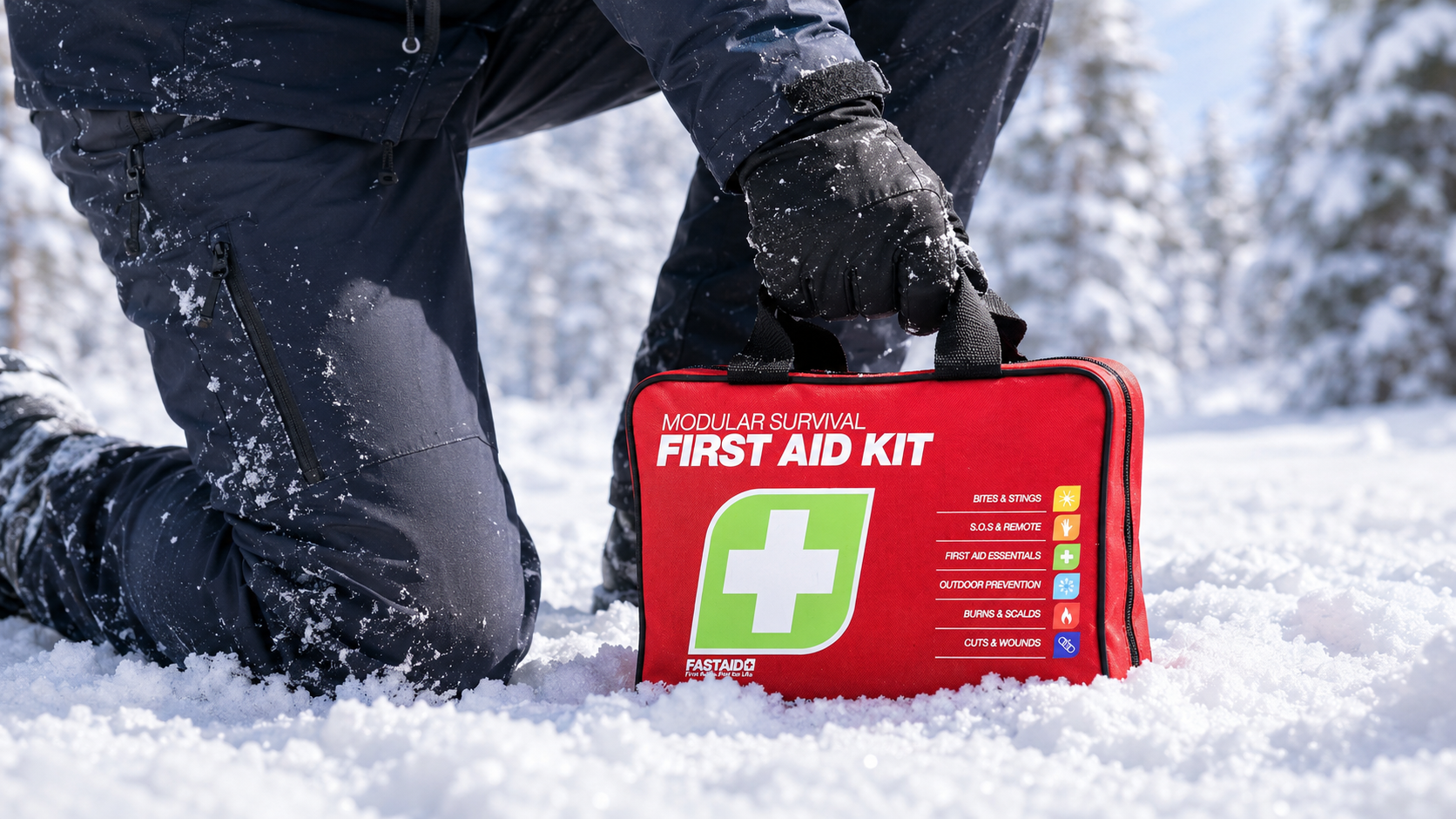
- Keep fast sugar near the first aid kit. Jelly beans or glucose tablets, in 15 g portions, and check the use-by dates.
- Know who has diabetes, if they’re happy to share. Ask where they keep their hypo kit and what they’d like you to do.
- Brief your first aiders. Make sure they know the steps above and when to call 000.
- Check your first aid kit suits your site. Not sure? Take the 3-minute compliance check.
Quick recap
Shaky, sweaty or not themselves? Sugar first, wait 10 to 15 minutes, repeat if needed, then a snack. Drowsy, unconscious or not improving? Call 000.
This guide is general first aid information only. It doesn’t replace a diabetes management plan, medical advice or first aid training.
Sources: healthdirect Australia, Hypoglycaemia (low blood sugar) · Diabetes Australia, Managing hypoglycaemia

Share:
How do I secure my first aid kit?