
Not all workplaces face the same risks. That’s why first aid shouldn’t be one-size-fits-all.
Higher-risk environments such as construction, manufacturing, workshops, and commercial kitchens often face hazards that require specialised response, particularly burns, biohazard and eye injury exposure.
Why standard first aid kits aren’t enough
A workplace first aid kit is essential, but it may not provide:
- Immediate access to dedicated higher risk treatments
- Safe containment and disposal for sharps or body fluids
- Clear guidance in time-critical situations

Delays or confusion during an incident can increase injury severity and risk of contamination.
Understanding the risks for burns, biohazard and eye injuries
Burns
- hot surfaces and equipment
- welding and sparks
- chemicals and hot liquids
Immediate cooling and sterile treatment are critical to reduce damage.
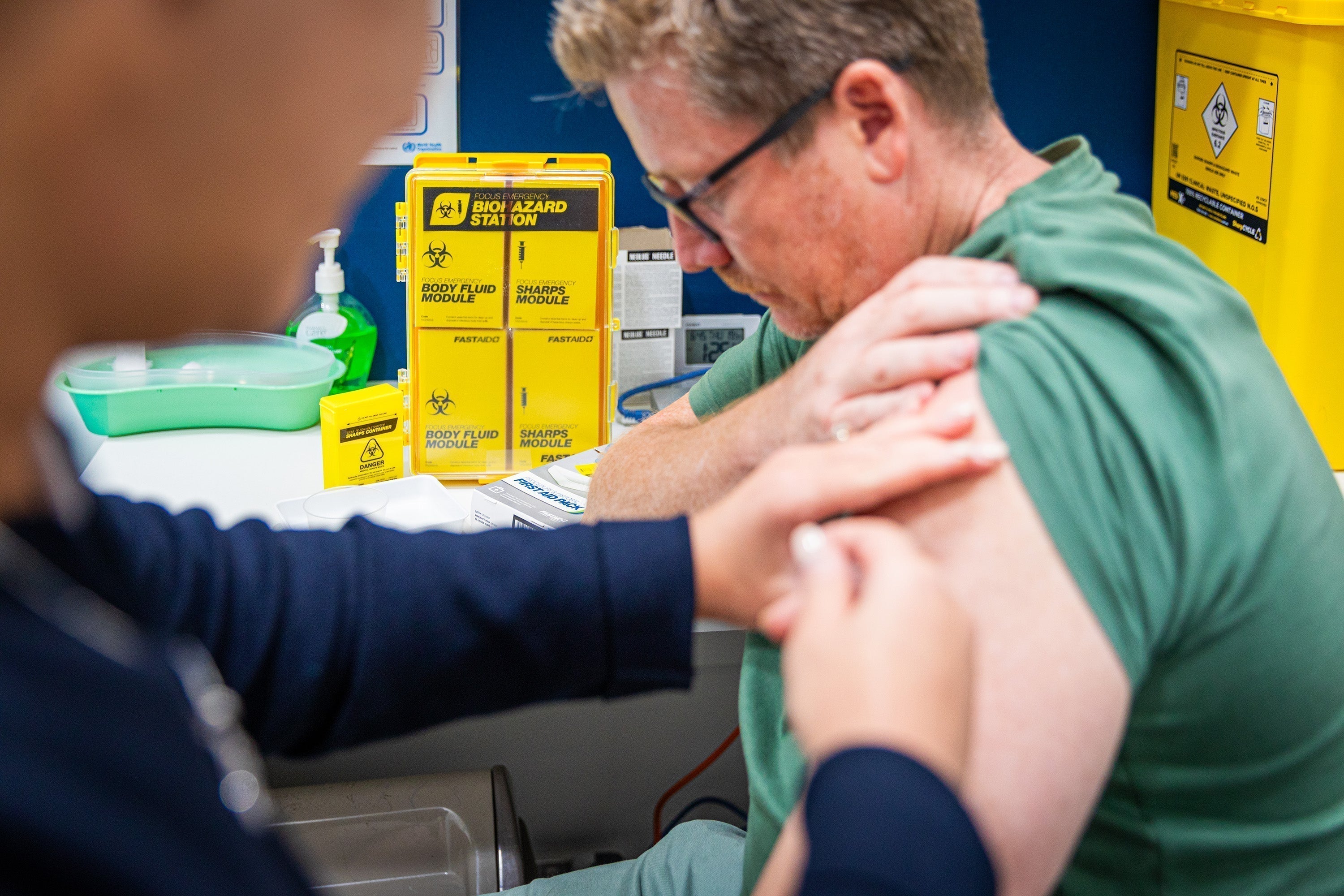
Biohazard incidents
- sharps injuries (needles, broken glass)
- blood or body fluid exposure
- contaminated waste
Without proper equipment, there is a risk of infection and unsafe handling.
Eye injuries
- dust, debris, and airborne particles
- chemical splashes and fumes
- foreign objects entering the eye
Immediate flushing with sterile eyewash is critical to reduce irritation, prevent damage, and support recovery.
What a compliant setup looks like
- first aid provisions matched to workplace risks
- equipment that is clearly visible and easy to access
- ability to respond quickly with the right tools
Dedicated emergency stations support this by organising treatment, reducing response time, and enabling safer handling of incidents.
A complete emergency response approach
For many workplaces, an effective setup includes:
- an eyewash station for debris and chemical exposure
- a burns station for immediate burn treatment
- a biohazard station for safe handling of sharps and body fluids

When every second counts
In an emergency, clarity and speed matter. Having the right equipment in the right place can make a measurable difference to outcomes.
Review your current setup against your workplace risks. If there are gaps, addressing them is part of maintaining a safe and compliant environment. Need help with your first aid management? We're here to help!

Share:
April 28th marks World Day for Safety and Health at Work
Choosing the right first aid kit with the R-Series