
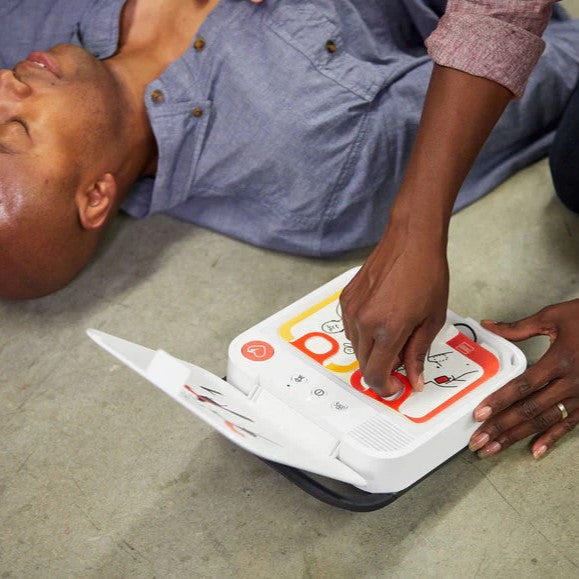
We have a few infrequently asked questions in regards to defibrillators which we believe people should be asking more often and really ought to know. If you're an employer or safety officer in charge of sourcing a Defibrillator or maintaining your Defibrillators, these are questions you should be asking!
Where should I install my Defibrillator?
Defibrillators should be available in just about every location imaginable, as you never know when someone is about to be struck by an SCA. Remember, it can happen to anyone, anywhere, at anytime. Similar to fire extinguishers and first aid kits, defibrillators should not be locked away in a cupboard, and should be easily accessible to everyone.
If you don’t have a defibrillator, install one of the many AED location apps available to end users. A great example is the GoodSAM app which is active in Victoria. Being familiar with the locations of nearby AEDs will help you easily find an available AED in the event of an emergency.
If you don't have a defibrillator - you should really consider having one readily available on your site. FastAid have a range of defibrillators and accessories which you can view here.

How should I store my Defibrillator?
Your defibrillator should be visible and easily accessible to everyone that may enter your premises, and in a location that is not obstructed. There are a wide variety of storage options available, including;
- Wall brackets
- Internal wall cabinets
- Alarmed cabinets
- External wall cabinets
- Monitored cabinets
- Backpacks
How many Defibrillators do I need?
It is essential to consider the risks to your workforce and anyone else that visits your premises, to determine whether you should have a defibrillator (or multiple) on site. Factors to consider include;
- An ageing population - Age increases the likely hood of SCA occurring
- Urban locations - Increased difficulty for emergency responders to reach due to traffic, stairs, escalators etc
- High rise buildings - People living above floor 16 have a less than 1% chance of survival from SCA unless a defibrillator is present.
- Remote locations - Longer response times by emergency services.

How do I maintain my Defibrillator?
Whilst technologically advanced, Defibrillators still need to be monitored to ensure they are fully functional and can work effectively when needed. Our defibrillators come with built-in technology that will give users warning signs of any issues, and we recommend that organisations check their devices weekly.
-
Expiration dates
The batteries and pads in your defibrillator are they key functions that deliver the shock to the patient. Pads are single-use, and both the pads and batteries have expiration dates, so it is essential that you keep an eye on when they’ll need replacing.
Not sure how to use your Defibrillator? Head on over to our training page here with lots of helpful defibrillator videos.
More questions? Check out our defibrillator white paper
Looking for more information on choosing the best defibrillator for your needs? We've got a complete Defibrillator guide here!

Need further assistance with your defibrillator or choosing a defibrillator? Reach out to us here or call us on 1800 13 12 11.


Share:
How can you minimise workplace first aid risk?