
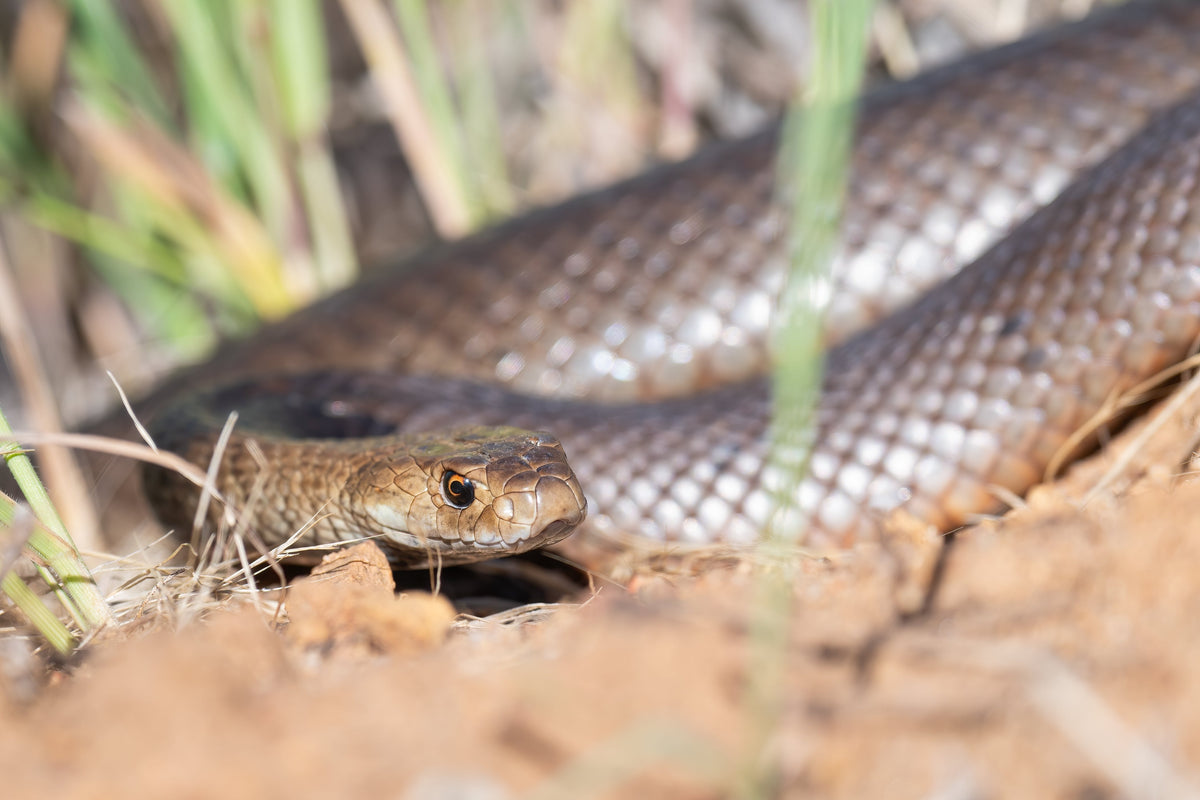
It's snake season! And what better time than now for a refresher on being snake prepared when heading into the great outdoors.
We've reached out to Tod Healey, first aid trainer from Tod Healey First Aid in Eugowra NSW for his expert tips on what to be prepared for this season.
As we head into snake season, what are your top tips for snake bite prevention?
Anytime we are outside in the warmer months we must be aware of the risks that we may encounter snakes at any time, either at home or simply walking through the bush. Some simple steps we can take to ensure that we stay safe over the warmer months are very easy to follow.
- Rubbish or areas that have laid dormant over the winter months pose a great risk as this may be where snakes have taken refuge through winter, so be mindful when reaching into these areas.
- If outside or bushwalking, wear protective clothing such as long pants and long sleeve shirts. They not only protect us from the sun but can also help protect against snake bites. Ensure also that you make noise around these areas to help scare off snakes.
- If you do encounter a snake, never try to touch, move or kill it. Snakes are protected, and the majority of bites occur because of these actions.
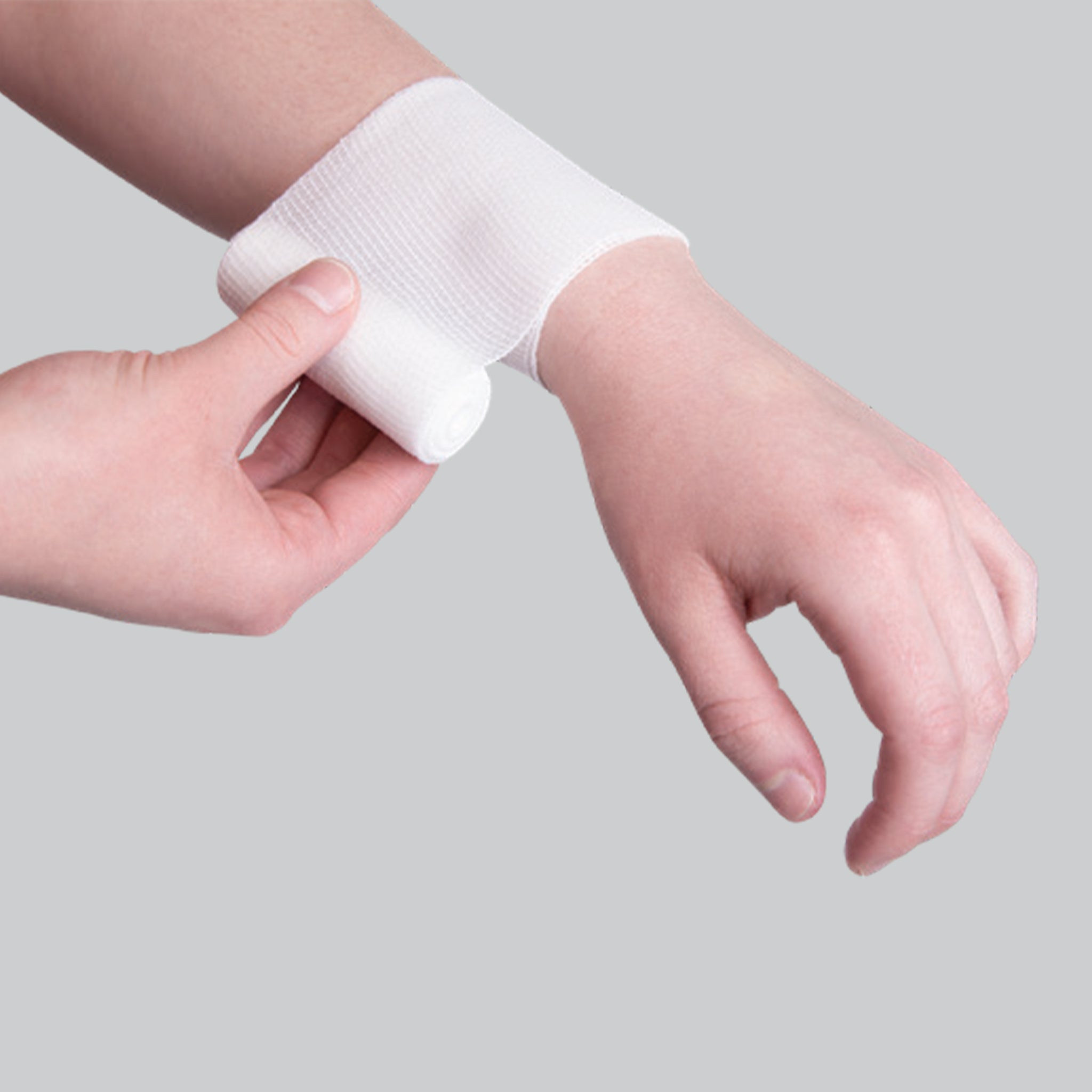
- Prevention is always the safer option. I recommend carrying a PIT Bandage such as the FastAid Evo-Bandage. These bandages make treating a snake bite much easier and help achieve the correct tension for pressure immobilisation.
FastAid Evo-Bandage with tension indicators
If you get bitten by a snake, what should you do?
- If a person is bitten, they need to keep still and lie down immediately once the area is safe.
- Do not wash the wound site, as it can be swabbed to help identify the snake.
- Do not apply tourniquets.
- Apply a pressure bandage over the bite site. If no bandage is available, use clothing or other available materials to apply pressure.
- Apply a second bandage to the entire affected limb, from the toes to the hip or fingers to the armpit, then back down until the bandage runs out.
- The bandage should be firm, similar to the pressure used for a sprained ankle. Check circulation by pressing a finger or toe. If colour returns within three seconds, it is not too tight.
- If you have a PIT Pressure Immobilisation Bandage such as the FastAid Evo-Bandage, the indicators will help ensure the correct pressure is applied.
- If possible, mark the bite location and the time of the bite on the bandage.
- Immobilise the limb using a splint if available. The patient should remain completely still.
- Call 000 and arrange transport to hospital, preferably by ambulance. If transporting by car, bring the vehicle to the patient rather than asking them to walk.
FastAid Evo-Bandage with tension indicators
What is your advice if you get bitten but have left your first aid kit in your vehicle or boat?
If you have been bitten and do not have a bandage or first aid kit available, you may need to attract attention without moving. Walking or excessive movement will speed up the movement of venom through the lymphatic system.
The number one rule is to stay still and apply a pressure bandage to the affected limb. Use clothing or whatever materials are available. Doing nothing could lead to disaster.
Getting help while staying still is the priority. Always carry a phone when outdoors so you can call for assistance without moving.
Do you have any Do's and Don'ts when it comes to snakes and snake-prone environments?
- Do not try and catch or trap the snake.
- Do not apply a tourniquet.
- Do not cut the bite site or attempt to suck out the venom.
- Do carry a bandage such as the FastAid Evo-Bandage when bushwalking.
- Do make noise when walking through the bush.
- Do lie still and always carry a phone when bushwalking.
- Do wear long pants when bushwalking to reduce the risk of snake bites.
 If you'd like to learn more about first aid, you can reach out to Tod Healey from Tod Healey First Aid Training on 0409 368 242 or visit todhealeyfirstaid.com.

Share:
Snake bites: Effective compression matters
From boating to going bush: Essential first aid tips