
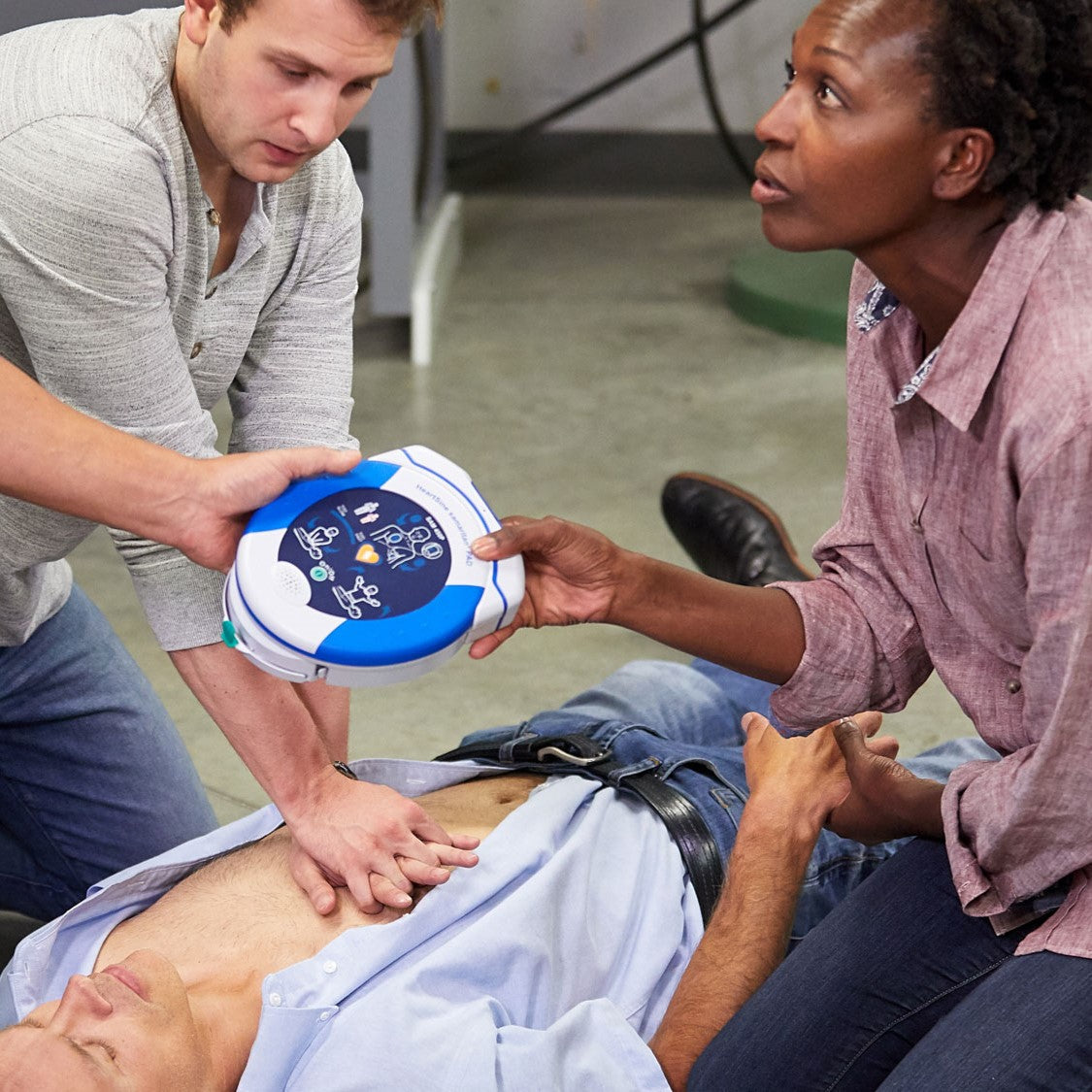
When it comes to emergency response in underground coal mines, Automated External Defibrillators (AEDs) are an important part of workplace first aid preparedness. However, because underground coal mine environments present unique hazards, there are often questions about where AEDs can be located, whether they can be used underground, and if intrinsically safe models are available.
Below, we've answered some of the most common questions about AEDs in underground coal mining operations.
Is there an intrinsically safe (IS) AED for underground coal mines?
No. There are currently no AEDs (Automated External Defibrillators) on the market that are certified as intrinsically safe (IS / Ex ia).
AEDs work by delivering a high-energy electrical shock to treat sudden cardiac arrest, which is not compatible with intrinsic safety certification requirements.
Can any AED brand be used in a hazardous underground zone?
No. This applies to all AED brands and manufacturers. No commercially available AED is approved as intrinsically safe for use in hazardous underground coal mine environments.
The absence of intrinsic safety certification applies across all AED brands currently available on the market.
Can an AED be used underground during an emergency?
AEDs should not be operated in areas where intrinsic safety requirements apply. The recommended approach is to move the casualty to a tested fresh-air or designated safe area before defibrillation.
Emergency response procedures should be clearly documented within the site's emergency management plan so personnel understand how to respond in the event of a sudden cardiac arrest underground.
Where should AEDs be located in mining operations?
AEDs are commonly installed in safe atmosphere locations such as:
- Pit tops (surface entry and exit point of the mine)
- Crib rooms (designated meal and rest areas for workers)
- Fresh air bases (protected underground locations supplied with fresh, breathable air)
- Refuge chambers (emergency shelters designed to protect personnel during an incident)
- Other designated safe areas (locations identified by the mine's risk assessment as having a safe atmosphere for emergency response)
The appropriate placement of AEDs will vary from site to site and should always align with the mine's risk assessment and emergency response procedures.
What type of AED is recommended for mining sites?
Most standard AEDs are suitable for surface facilities and approved fresh-air locations. For added protection in harsh mining environments, consider storing the AED in a durable hard case.
Mining environments can expose equipment to dust, vibration, moisture and rough handling, making protective storage an important consideration.
Are there regulations governing AED use in underground coal mines?
Yes. Australian mining and work health and safety legislation requires mine operators to manage risks associated with hazardous underground environments and ensure that equipment used in hazardous zones meets applicable explosion-protection requirements.
Mine operators are responsible for ensuring that emergency response equipment is selected, located and managed in accordance with applicable legislation and site-specific risk controls.
Do Australian regulations require AEDs to be intrinsically safe?
No specific regulation requires an AED to be intrinsically safe. However, equipment used in hazardous underground coal mine zones may be required to meet explosion-protection standards. Because AEDs deliver a high-energy electrical shock, there are currently no AEDs certified as intrinsically safe (Ex ia).
As a result, mines must carefully consider where AEDs are located and how they will be accessed during an emergency.
Who decides where an AED can be installed underground?
The mine operator is responsible for assessing risks and determining appropriate emergency equipment locations and procedures as part of the site's safety management system and emergency response planning.
This assessment should consider factors such as access times, fresh-air locations, worker numbers, underground infrastructure and site-specific hazards.
Does FastAid provide regulatory or engineering advice for mine sites?
No. FastAid can provide information about AED products and storage options, but compliance with mining regulations, hazardous area requirements, and AED placement decisions should be determined by the mine operator in consultation with their safety manager, ventilation officer, and relevant regulatory requirements.
FastAid's role is limited to providing information about available AED products and storage solutions.
Can FastAid recommend an AED for use in a hazardous underground coal mine environment?
No. Because no AED is intrinsically safe, FastAid cannot recommend any AED for use within a hazardous underground zone. The mine operator is responsible for determining appropriate AED placement and emergency response procedures through its own risk assessment and safety management processes.
Each mining operation has unique environmental and operational considerations that must be evaluated by the site operator.
Important Notice
There are currently no AEDs certified as intrinsically safe (Ex ia) for use in hazardous underground coal mine zones. AED placement and emergency response procedures should be determined by the mine operator as part of the site's risk assessment and in accordance with applicable work health and safety and mining legislation.
Final Thoughts
AEDs remain an important component of emergency preparedness within mining operations. However, underground coal mines present specialised hazards that require careful consideration when determining the location and use of emergency response equipment. Understanding the limitations of AED technology in hazardous environments, and ensuring emergency response procedures are aligned with site-specific risk assessments, can help mine operators make informed decisions about worker safety.
For information about AED products, storage options and first aid equipment suitable for surface facilities and designated safe-air locations, you can contact our team here. Always ensure that equipment selection, placement and emergency procedures are assessed against your site's specific operational and regulatory requirements.

Share:
Is your workplace first aid kit fit for the job?
Snake and spider bites - you may only have minutes to act