
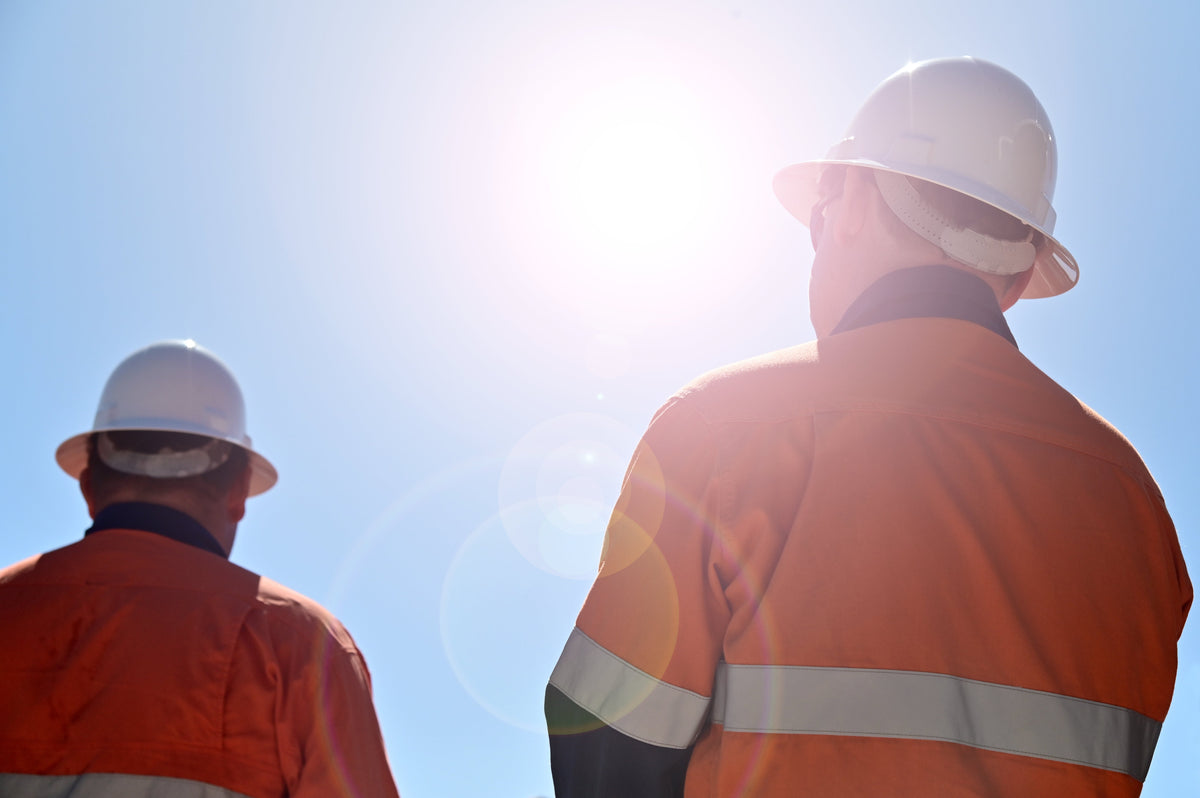
Summer in Australia means long days, high UV and a lot of work done outside. For crews on site, on the road or out on the land, sun protection is part of the job, just like a hard hat or a first aid kit. Here’s how to keep your team protected, and what to do if someone gets burnt.
Why outdoor workers need extra protection
UV damage builds up over time, and outdoor workers get far more of it than people who work indoors. That’s why Cancer Council recommends outdoor workers use sun protection all year round, not just on hot or sunny days. UV can be high on cool and cloudy days too.
As a rule, protection is needed whenever the UV Index is 3 or above. Over summer, that’s most of the working day.
 The five steps, on site
- Slip on sun-protective clothing. Long sleeves and a collar, in a light, breathable fabric. Long pants or shorts that cover the knees.
- Slop on sunscreen. Broad-spectrum, water-resistant SPF 50 or 50+ (at least SPF 30). Apply it 20 minutes before heading out, and reapply every two hours, or more often if sweating or working with water. Don’t forget lip balm with SPF.
- Slap on a hat. A broad-brim hat, or a hard hat with a brim or neck flap, to cover the face, ears and neck.
- Seek shade. Use shade structures for breaks and fixed tasks wherever you can.
- Slide on sunglasses. Wraparound safety glasses with UV protection that meet the Australian standard.
Sunscreen alone isn’t enough. Use all five together for the best protection.
Build sun safety into the working day
- Check the UV forecast every morning with the SunSmart Global UV app or the Bureau of Meteorology.
- Plan the heaviest work for the cooler part of the day where possible, and move tasks into the shade.
- Rotate jobs so no one spends the whole day in full sun.
- Make sunscreen easy to get to. Keep it in vehicles, site sheds and with the first aid kit. Store it below 30°C and check the use-by date.
- Build in water breaks. Heat and sun go together, so keep cool water and shade close by.
- Talk about it. A quick sun safety reminder at the morning toolbox talk goes a long way.
First aid for sunburn
- Get out of the sun. Move into shade or indoors straight away.
- Cool the skin. Use a cool shower or cool, damp cloths. Avoid ice directly on the skin.
- Drink water. Sunburn and heat often go together, so rehydrate.
- Soothe and protect. A gentle moisturiser or aloe vera can help. Wear loose clothing over burnt skin.
- Leave blisters alone. Don’t pop them. Cover broken blisters loosely with a clean, non-stick dressing.
See a doctor if:
- the burn is blistering badly or covers a large area
- the person has a fever, chills, a headache, nausea or dizziness
- it’s a baby or young child who has been burnt
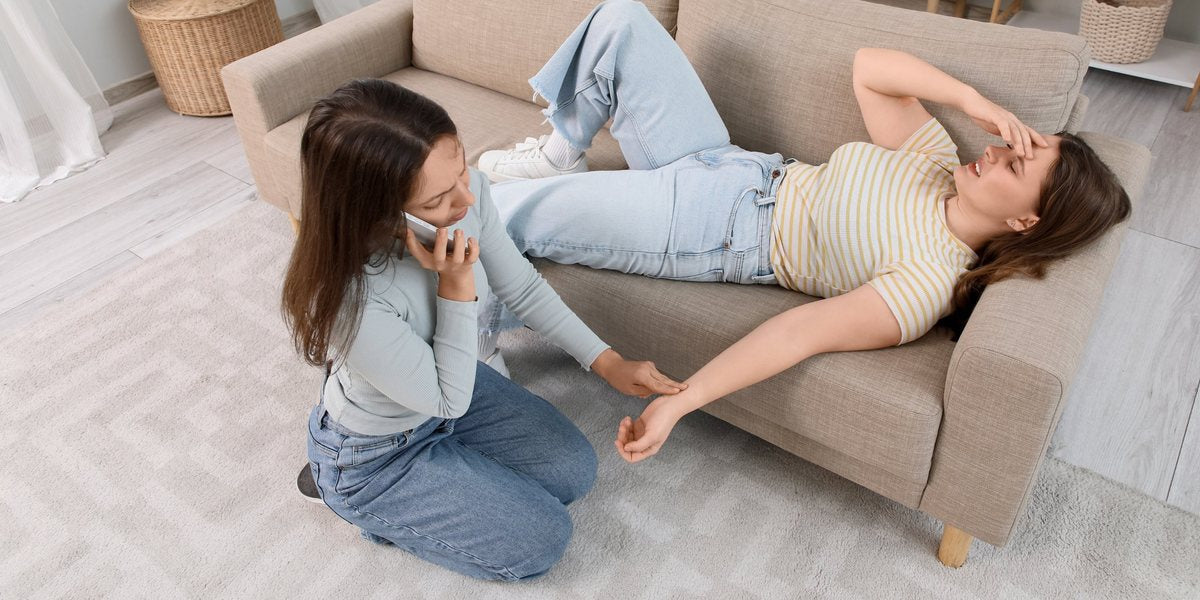
Confused, collapsed or not improving after cooling? Call 000. It could be heat stroke.
Check your skin
Get to know your skin and check it regularly. If you notice a new spot, or one that changes in size, shape or colour, see your doctor. Outdoor workers should have their skin checked as part of their regular health care.
Is your first aid kit ready for summer?
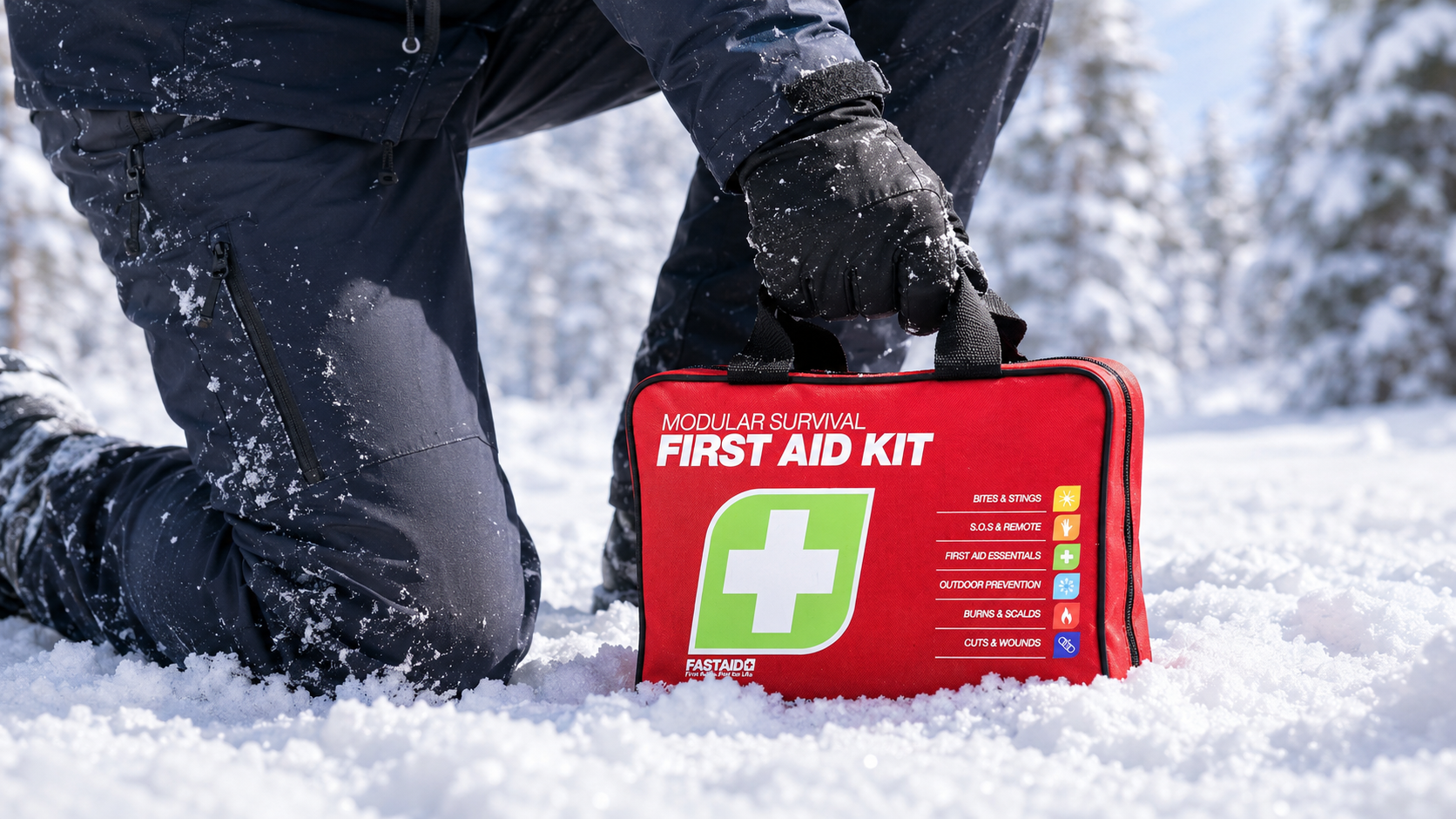
Summer brings more burns, eye injuries from dust and more time far from help. Make sure your kit has burn care, cooling packs and eye wash, all in date. Work through our summer first aid checklist, or take the compliance check to see what your site needs.
This guide is general information only. It doesn’t replace medical advice, your workplace’s sun protection policy or first aid training.
Sources: Cancer Council Australia, How to be SunSmart when working outdoors · Cancer Council Australia, How to apply sunscreen · Better Health Channel, Skin cancer: protecting outdoor workers

Share:
Your summer first aid checklist for Australian workplaces